
Cedar has long been one of the most popular woods for outdoor projects—and for good reason. Its rich color, pleasant aroma, and natural resistance to insects and decay make it a favorite for fences, decks, pergolas, siding, and outdoor furniture.
But many homeowners wonder:
Does cedar need to be sealed?
The short answer is no—cedar doesn’t have to be sealed to survive outdoors. However, sealing cedar can help preserve its appearance, reduce weathering, and extend the life of your project.
Whether you should seal cedar depends on your goals, climate, and the look you want over time.
Why Is Cedar Naturally Durable?
Unlike many wood species, cedar contains naturally occurring oils and extractives that provide built-in protection against rot, decay, moisture damage, termites, wood-boring insects, and certain types of fungi. These natural defenses allow cedar to perform exceptionally well in outdoor environments without the need for chemical treatment.
Because of its durability, attractive appearance, and resistance to the elements, cedar is a popular choice for a wide variety of exterior projects, including privacy fences, pergolas, gazebos, decking, outdoor furniture, siding, and garden structures. Its ability to withstand the outdoors while maintaining its beauty is one of the reasons cedar has remained a preferred building material for generations.
Does Cedar Need to Be Sealed?
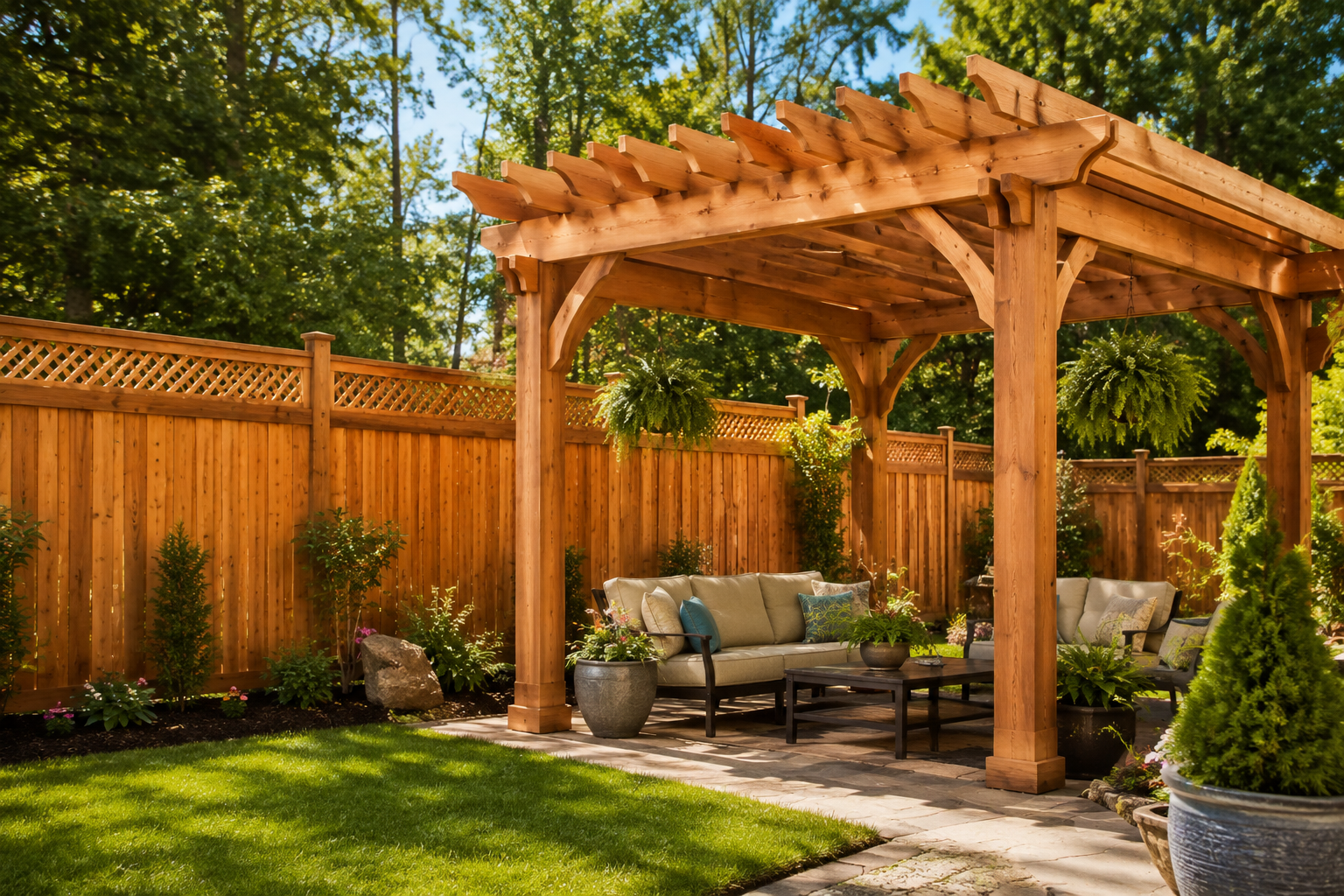
Technically, no. Cedar can be left unfinished and will continue to perform well outdoors. However, if left untreated, cedar gradually changes color.
Instead of maintaining its warm honey, amber, or reddish tones, it naturally weathers into a soft silver-gray patina. Many homeowners actually prefer this weathered appearance. If you’d rather preserve cedar’s original color, sealing or staining is recommended.
What Happens If You Don’t Seal Cedar?
One of cedar’s biggest advantages is that it can perform well outdoors even if it isn’t sealed. Thanks to its natural resistance to rot and decay, unsealed cedar remains a durable choice for fences, decks, pergolas, and other exterior projects.
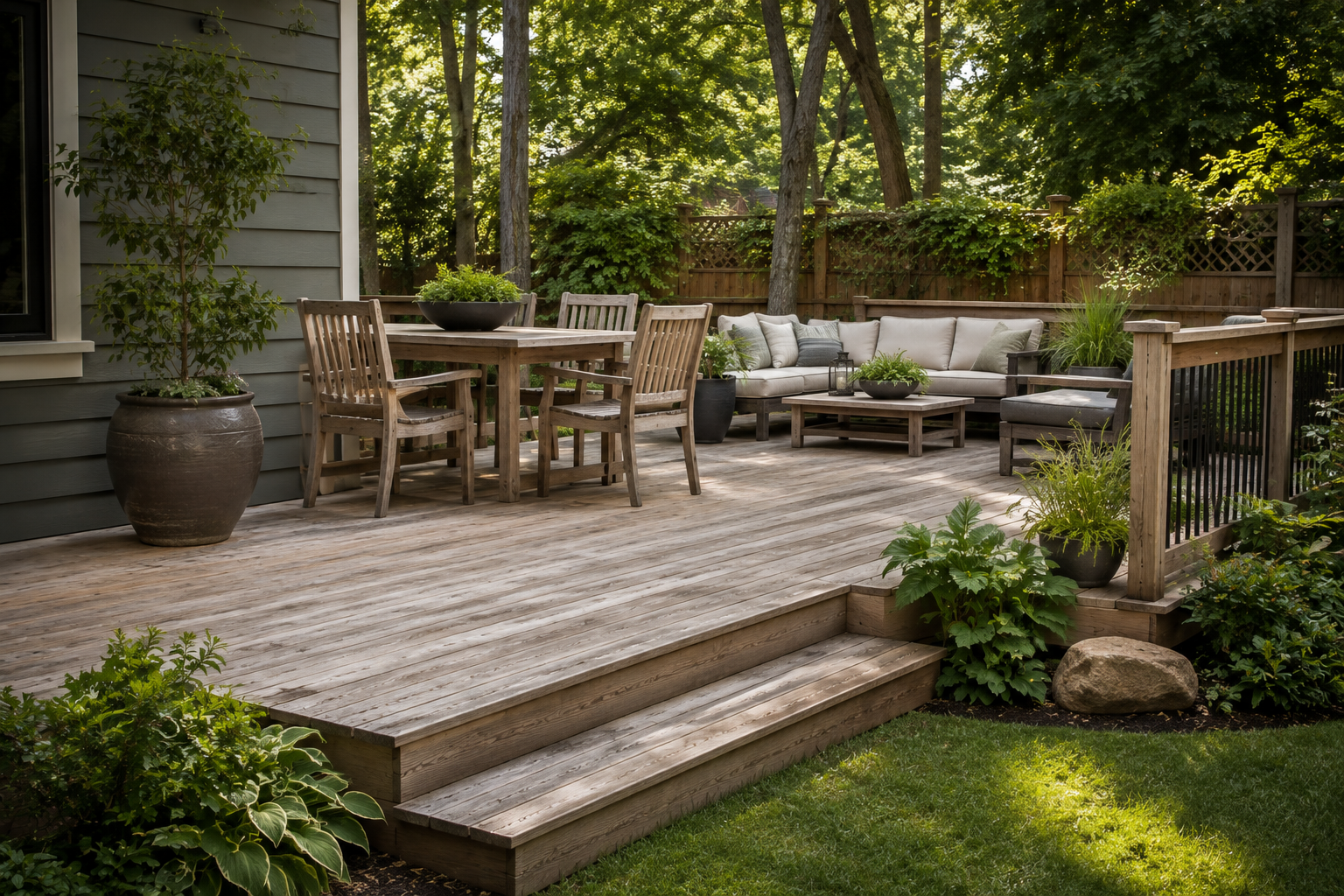
Over time, however, you can expect the wood to undergo some natural cosmetic changes. Prolonged exposure to sunlight causes cedar’s rich amber and reddish tones to gradually fade into a distinguished silver-gray patina.
The surface may also develop minor weathering, small surface cracks known as checking, and absorb more moisture during wet conditions. While these changes can alter the wood’s appearance, they don’t necessarily indicate that the cedar is deteriorating. Instead, they’re simply part of the wood’s natural aging process and are often appreciated for the character they add.
Benefits of Sealing Cedar
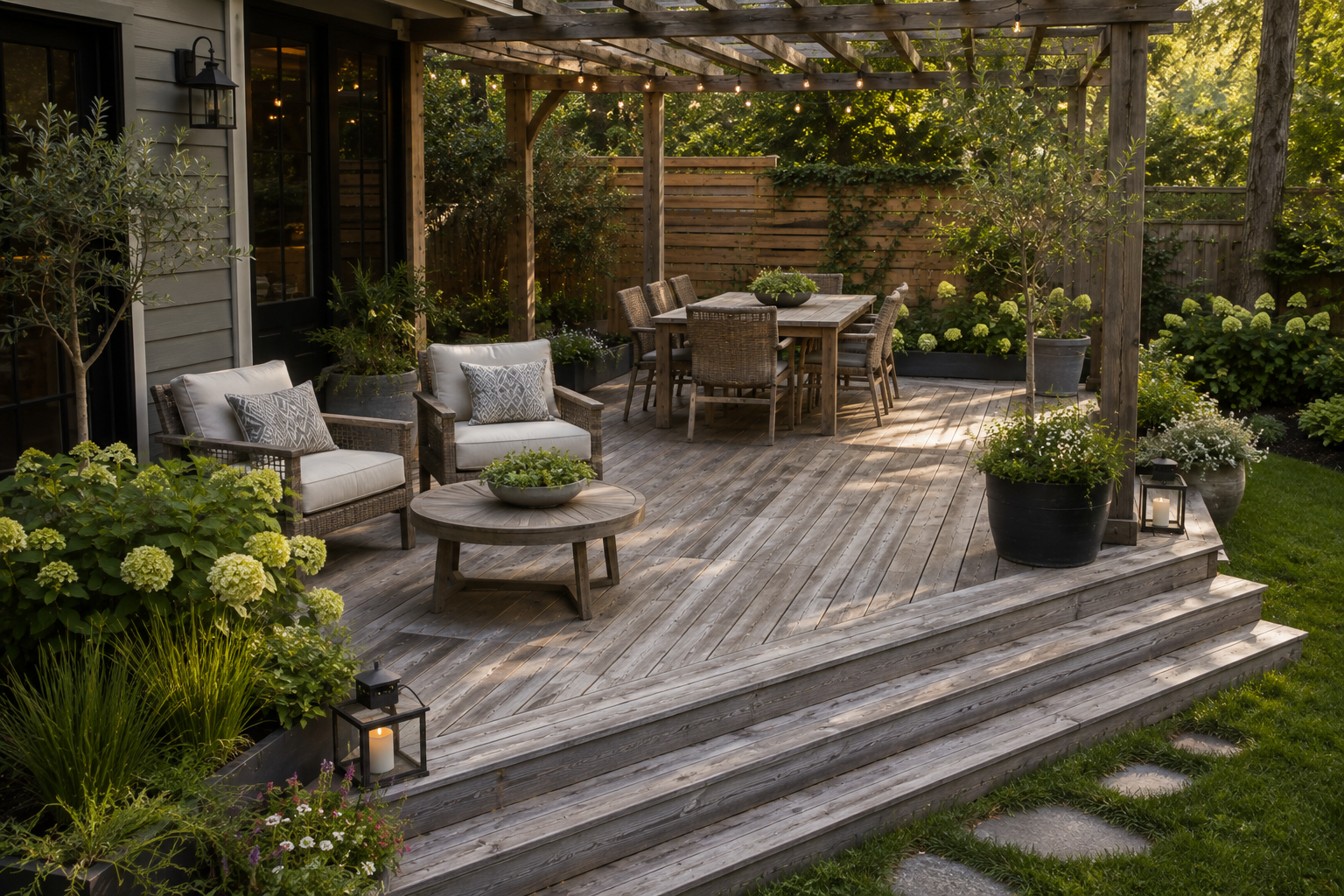
Although cedar is naturally durable, applying a high-quality exterior wood sealer offers several benefits, especially if you want to preserve its original appearance. One of the primary reasons homeowners choose to seal cedar is to protect its rich amber and reddish tones from fading.
Over time, ultraviolet (UV) rays from the sun gradually break down the wood’s surface fibers, causing the color to weather into a silver-gray patina. A UV-resistant sealer helps slow this natural process, allowing cedar to retain its warm, vibrant color for much longer while also providing an added layer of protection against the elements.

Reduces Moisture Absorption
While cedar naturally resists moisture better than many other wood species, it still responds to changes in humidity by expanding and contracting over time. Applying a quality exterior sealer helps reduce water penetration, minimizing the amount of moisture the wood absorbs during rainy or humid conditions.
This added protection can also reduce swelling, shrinkage, and small cracks that develop as the wood expands and contracts with repeated wet-and-dry cycles.
Helps Prevent Surface Stains
Sealing cedar also creates a protective barrier, making it less likely to absorb everyday contaminants that can affect its appearance. Dirt, mud, water stains, leaf tannins, and surface mildew are less likely to penetrate sealed wood, making routine cleaning easier and helping your cedar maintain its natural beauty.
While no sealer can eliminate staining, it can significantly reduce discoloration caused by normal outdoor exposure.
Extends the Life of the Finish
A high-quality exterior sealer helps cedar maintain its rich, natural color and attractive appearance for a longer period of time. By protecting the wood from moisture and ultraviolet (UV) damage, a sealer slows the weathering process and reduces how often you’ll need to clean, stain, or refinish the surface. With regular maintenance, sealed cedar can continue looking beautiful for many years while requiring less upkeep than unfinished wood.
Sealer vs. Stain: What’s the Difference?
Many people use the terms interchangeably, but they aren’t exactly the same.
| Product | Primary Purpose | Adds Color? | UV Protection |
|---|---|---|---|
| Clear Sealer | Moisture protection | No | Limited |
| Transparent Stain | Protects while showing wood grain | Slightly | Good |
| Semi-Transparent Stain | Adds color while highlighting grain | Yes | Excellent |
| Solid Stain | Maximum UV protection | Yes | Excellent |
For most outdoor cedar projects, many professionals recommend a high-quality penetrating stain and sealer combination because it provides both moisture and UV protection.
When Should You Seal New Cedar?
Many homeowners assume that new cedar should be sealed immediately after installation, but the ideal timing depends on both the condition of the wood and the specific product you’re using. Before applying a sealer, make sure the cedar is clean, dry, and free of dirt, sawdust, or construction debris.
If the wood has recently been exposed to rain, allow it to dry thoroughly so the finish can penetrate the surface properly. It’s also important to follow the manufacturer’s recommendations regarding moisture content and application timing, as applying a sealer to wet wood can prevent proper absorption and reduce the effectiveness of the finish.

How Often Should Cedar Be Resealed?
How often cedar needs to be resealed depends on several factors, including the amount of sun exposure it receives, your local climate, rainfall, the type of sealer or stain used, and whether the wood is installed horizontally or vertically. Horizontal surfaces, such as decks, are exposed to more direct sunlight, foot traffic, and standing moisture, so they typically require maintenance more frequently than vertical surfaces like fences, pergolas, and siding.
Rather than following a strict maintenance schedule, it’s a good idea to inspect your cedar each year for signs that the finish is beginning to wear away. Regular inspections can help you reseal the wood before significant weathering occurs, keeping it protected and looking its best. Learn about the best sealers for cedar.
Signs It’s Time to Reseal Cedar
One of the easiest ways to determine whether your cedar needs to be resealed is by inspecting its appearance and how it responds to water. If water no longer beads on the surface, the finish may no longer be providing adequate protection.
Other common signs include faded color, a dry or chalky appearance, increased surface roughness, and visible weathering. You may also notice that areas exposed to full sunlight fade more quickly than sections that remain shaded for much of the day.
Resealing cedar before these signs become severe helps preserve its natural beauty, improve weather resistance, and reduce the need for more extensive restoration later.

Can You Paint Cedar?
Yes, cedar can be painted, and a properly applied exterior paint provides excellent protection against ultraviolet (UV) rays and the elements. However, many homeowners prefer to stain cedar instead because stain enhances the wood’s natural beauty while allowing its distinctive grain and rich color to remain visible.
If you decide to paint cedar, it’s important to begin with a clean surface free of dirt, mildew, and debris, use high-quality products specifically formulated for exterior wood, and follow the paint manufacturer’s recommendations for preparation and application. While paint offers long-lasting protection, it completely covers the natural character that makes cedar such a popular choice for outdoor projects. Read more about painting cedar wood.

Best Uses for Sealed Cedar
Sealing is especially beneficial for:
- Cedar fences
- Pergolas
- Gazebos
- Deck railings
- Outdoor furniture
- Siding
- Garden structures
- Decorative trim
These projects benefit from improved appearance and reduced weathering over time.

Tips for Making Cedar Last Longer
Whether you seal it or not, proper maintenance can significantly extend cedar’s life.
Some best practices include:
- Keep soil and mulch from piling against the wood.
- Avoid constant sprinkler spray.
- Clean dirt and mildew periodically.
- Remove leaves and debris that trap moisture.
- Repair damaged boards promptly.
- Inspect fasteners annually.
- Use quality lumber from the beginning.
Good design and proper installation often have just as much impact on longevity as the finish itself. Find out the lifespan of a cedar fence.
Frequently Asked Questions
Does cedar rot if it isn’t sealed?
Cedar is naturally resistant to rot because of the oils found within the wood. While sealing can improve moisture protection, cedar generally performs well outdoors even without a finish.
How long does cedar last without sealing?
The lifespan depends on climate, installation, and maintenance. Many cedar fences, siding, and outdoor structures provide decades of service, even when left unfinished.
Will cedar turn gray if I don’t seal it?
Yes. Exposure to sunlight and weather causes cedar to gradually develop a silver-gray patina. This is a natural aging process and doesn’t necessarily indicate damage.
Is it better to stain or seal cedar?
Many homeowners choose a penetrating stain that also acts as a water repellent because it provides both UV protection and moisture resistance while allowing the wood grain to remain visible.
Can I leave a cedar fence untreated?
Absolutely. Many cedar fences are intentionally left unfinished to develop a natural weathered appearance over time.
Should both sides of cedar be sealed?
If you’re applying a finish, treating all exposed sides and edges can help provide more even protection against moisture and weathering.
The Bottom Line
So, does cedar need to be sealed?
Not necessarily.
One of cedar’s greatest advantages is its natural resistance to insects, decay, and moisture, making it an excellent choice for outdoor projects even without a finish.
However, if you’d like to preserve cedar’s rich natural color, minimize weathering, and reduce moisture absorption, applying a quality exterior sealer or penetrating stain is a worthwhile investment.
At Lee Roy Jordan Lumber Company, we supply premium cedar lumber for fences, pergolas, outdoor living spaces, and custom building projects. Whether you’re a contractor or a homeowner, our experienced team can help you choose high-quality cedar products that will deliver lasting beauty and performance.